
Every Day We Fight Time Loop Progression Explained
What carries over each time the loop resets in Every Day We Fight, what moves the loop forward, and how 1.0 changed progression.
Table of Contents
Your squad's experience and skills survive every reset, and the loop itself only moves forward when you kill a Rifter leader. That is the short version of progression in Every Day We Fight: dying sends you back to the start of a run, but your characters keep what they earned, while the story clock advances through boss kills rather than through ordinary deaths.
What the loop carries over
The official Steam page describes the loop rule directly: with every new time loop, newly acquired experience and skills remain, and anything you discover in one loop is available to you from the start of the next. In practice that means a failed attempt is not a wiped save — the levels, skills and discoveries you picked up along the way come with you into the next attempt, so a bad run still leaves you stronger than the run before it.
The same page frames death as a mechanic rather than a punishment: "for you, death is only the beginning." Your three resistance fighters are the only ones looping — the rest of the city is frozen in time — so there is no roster of replacements to recruit and no way to lose the campaign by losing a fight.
What actually moves the loop forward
Ordinary deaths reset you. Rifter leaders advance the clock. The Steam page states that every time a Rifter leader falls, the time loop shifts forward and brings the Forever War closer to its end — which is why the heavily armored, hard-to-kill leaders are the real progression gate rather than any single mission. Story acts follow that forward motion, so the loop is both the narrative device and the campaign's chapter structure.
Failing a mission and coming back
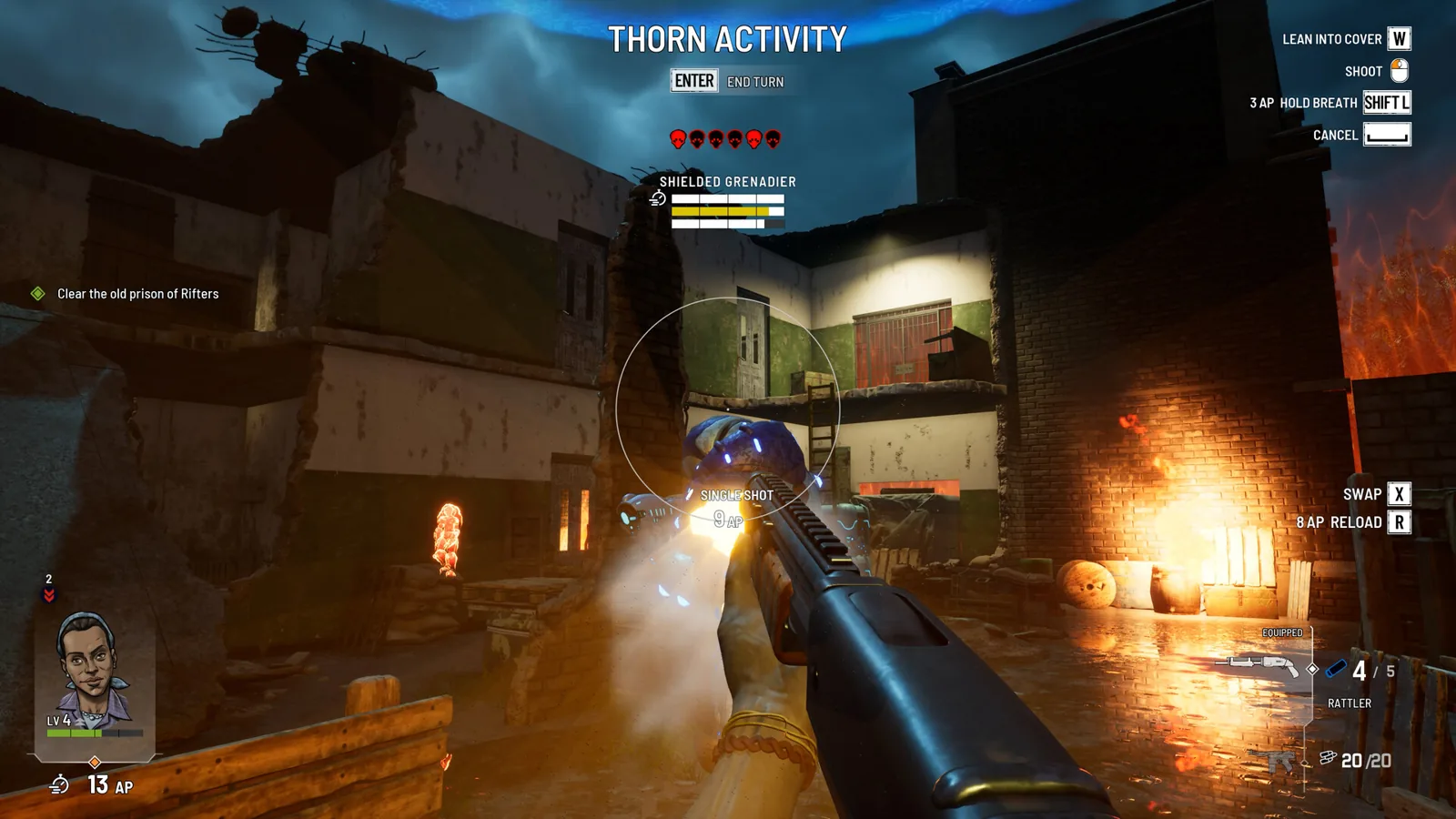
An Epic Games Store guide written while the game was in Early Access describes the practical rhythm: you will repeat fights for story reasons and whenever the squad is wiped, so watch enemy positions and reinforcement patterns during a failed attempt and use that knowledge on the retry. The same guide notes the developers themselves acknowledged some fights are very difficult and were still tuning balance.
A preview write-up from the same period gives a concrete example: after being overwhelmed by a second wave, the writer replayed the mission and positioned units to cover the direction that wave flew in from. That is the intended learning loop — the repeat is the tutorial.
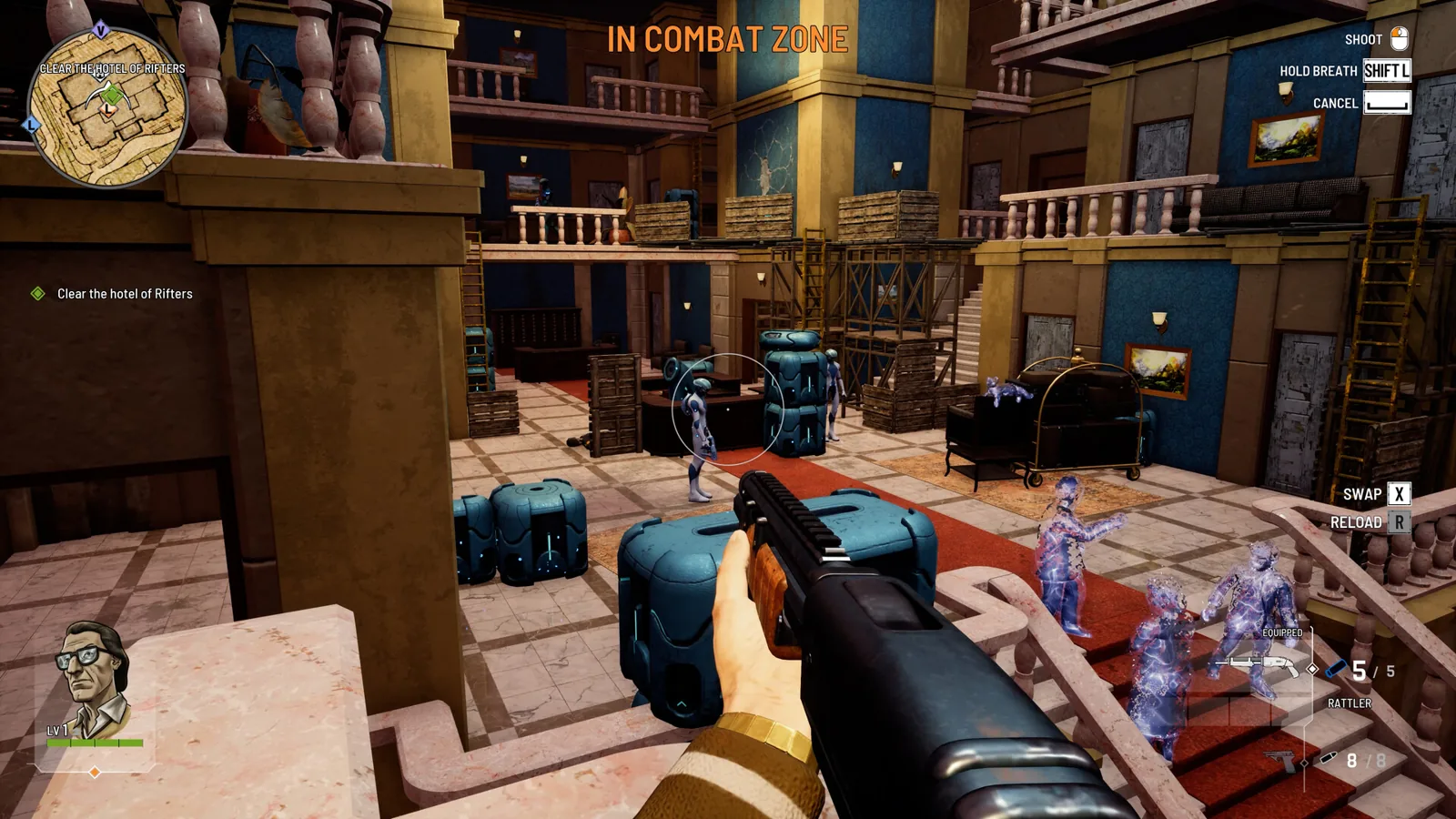
Combat zones are also no longer identical between attempts. The 1.0 patch notes say combat zones reshuffle every run, so you cannot count on the same layout twice. A player video made on a pre-launch build describes the same idea from the other direction: after failing, the map had changed — vehicles were missing and an item that had been out of reach was now reachable. Treat that as one player's Early Access-era observation rather than a fixed rule about what changes.
What 1.0 changed about progression
The 1.0 update on 2026-10-22 reworked progression in a way that matters for loop planning. Per the patch notes, progression is now linked to combat and rewards are offered after every fight; exploration is still there for players who want it, but it is no longer necessary to keep exploring in order to keep your characters advancing. The same notes clamp character level at a maximum of 24, so there is a ceiling to how much a single character can carry between loops.
Iron Man mode, added in the 0.9 update, is the more roguelite option: the 0.9 notes say death still isn't the end there, but it will reset some progress. If you want the harsher version of the loop, that is the mode to start a new game in — the notes describe it as the intended way to play.
After the campaign: Forever War
Forever War mode, added in 1.0, is the post-campaign continuation. Beat the campaign and you can keep clearing zones and killing bosses while difficulty ratchets up permanently. The patch notes say you can either keep your gear or reset to level 1 with just a dart gun and a teleporter, which makes it the clearest expression of the loop's two directions: carry everything forward, or start the climb again on purpose.
Where the details get thin
The exact list of what Iron Man mode resets is not spelled out in the 0.9 notes — they say "some progress" without naming it. The community accounts of changing layouts come from Early Access and pre-launch builds, so their specifics may not match a 1.0 run. For the current ruleset, the Steam announcement feed at steamcommunity.com/app/1546080/allnews is the place to check, and the store page at store.steampowered.com/app/1546080 carries the developer's own description of what persists between loops.
FAQ
How does time loop progression work in Every Day We Fight?
Experience and skills carry over when the loop resets, discoveries from one loop are available from the start of the next, and the loop only advances in the story when you defeat a Rifter leader.
Do I lose my levels and skills when my squad dies?
No. The developer's own description says newly acquired experience and skills remain with each new loop, and after the 1.0 rework rewards are handed out after every fight, so combat itself keeps your characters moving.
What do I lose in Iron Man mode?
The 0.9 update notes say death in Iron Man mode is not the end but does reset some progress. They do not itemise what is reset, so plan on losing more than you would in a standard run.
Is the map the same when I retry a mission?
Not reliably. The 1.0 notes state combat zones reshuffle every run, and a pre-launch player video describes a retried area where cover objects had changed and a previously unreachable item could be picked up.
Related guides for this game
Guide Guides Index
Every Day We Fight Beginner Guide: Your First Loops
A newcomer's guide to Every Day We Fight: manual aiming, reflex actions, the fixed three-person squad, time-loop carryover and difficulty options.
Every Day We Fight Fast Travel in the 1.0 Update
Fast travel is a quality-of-life feature in Every Day We Fight, added during Early Access and included in 1.0. Here's what the notes say.
Every Day We Fight Side Quests: The Three Thorn Stories
Each of the three Thorns has one side quest unlocked at the start of Act 2, playable any time and separate from the main story.
Every Day We Fight Walkthrough: Opening and Combat
A practical Every Day We Fight walkthrough: the opening fights, aiming, cover, Overwatch, and what actually carries over between time loops.
Combat Guides Index
Every Day We Fight Action Points: How the Turn Pool Works
Action Points pay for moving, shooting, reloading and Overwatch in Every Day We Fight, and leftovers can roll into the next turn.
Every Day We Fight Heat Meter: Risk, Loot and Control
Heat is Every Day We Fight's risk-reward dial: higher heat means harder fights and better drops, and Sabotage and Ambush missions let you raise or lower it.