
Every Day We Fight how to break armor plates
Armor in Every Day We Fight comes off plate by plate: aim at the head, chest, arms or legs, and read the damage preview to see armor versus HP.
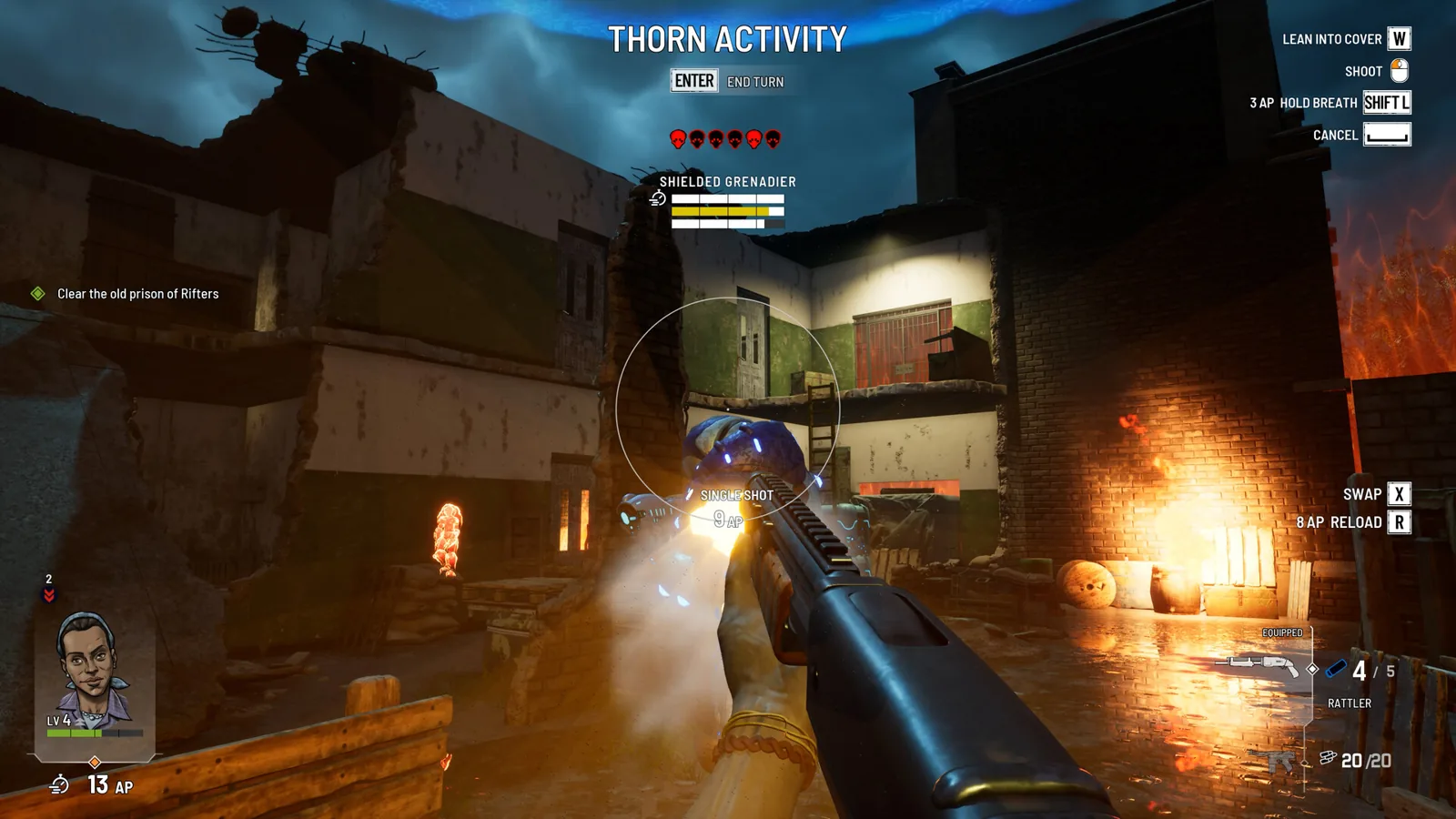
Table of Contents
Armor in Every Day We Fight isn't one solid bar you grind down — it's a set of separate pieces, and you break it by putting your shot on the piece you want gone. In a Steam discussion thread asking whether armor can be targeted specifically, a developer reply explains that an armored enemy carries a piece on the head, the chest, one on each arm and one on each leg, and that you target each part separately to break them off.
How the armor is laid out
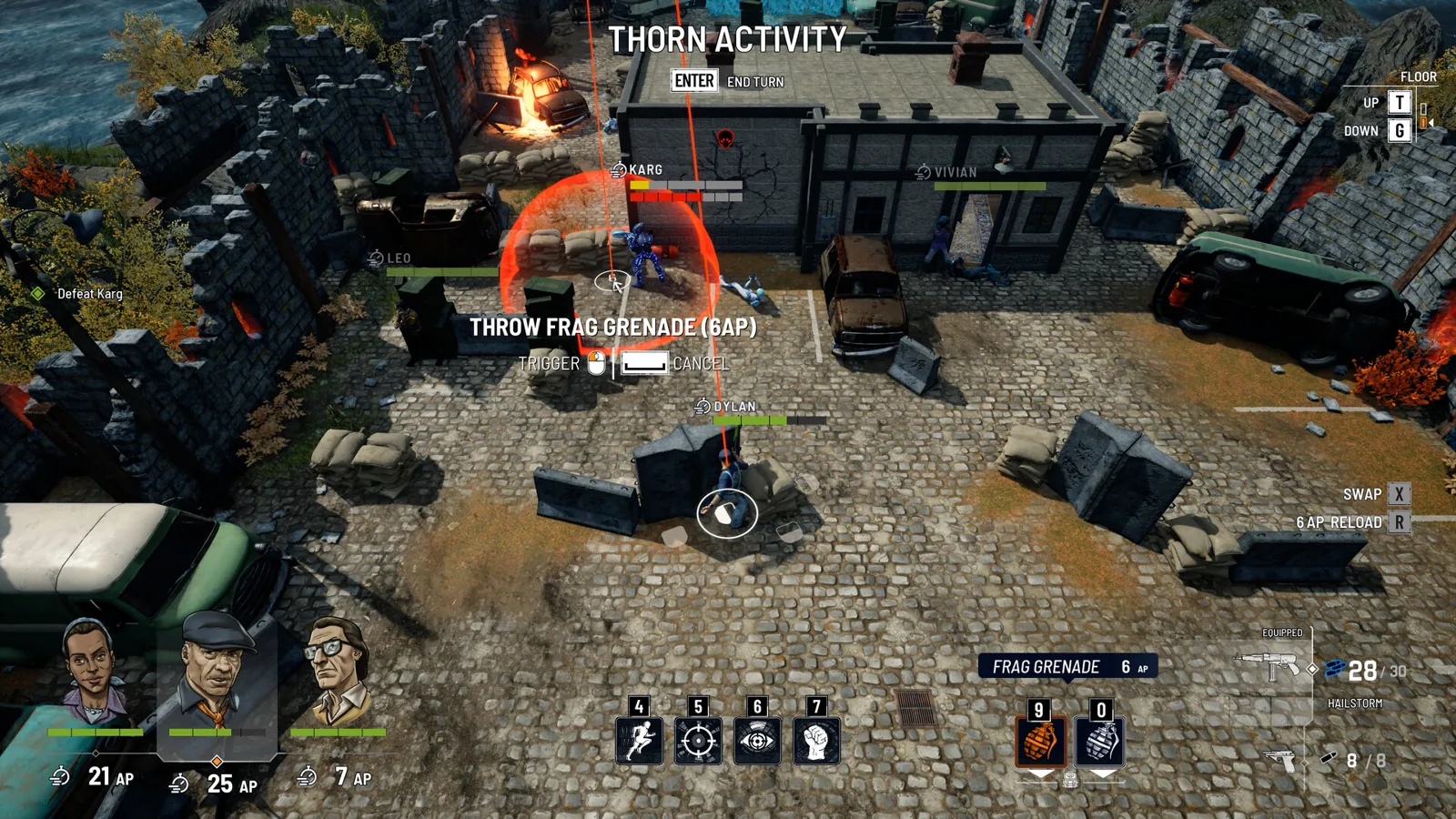
Six plates per armored enemy: head, chest, left arm, right arm, left leg, right leg. Each one comes off on its own, so a single enemy can be partially stripped — lose the chest plate and the arms may still be armored. The developer's reply also points to the damage preview as the read-out: it tells you whether the shot you're lining up is going into armor or into HP.
Breaking a plate, step by step
- Take the shot yourself. Every shot is aimed manually in first person rather than resolved from a stat roll alone, as the Epic Games Store guide to surviving the Rifters describes. Hit chance comes from your positioning, your aim and your reaction time, with ballistics factoring in firing angles and obstructions, per the game's Steam page.
- Put the reticle on the plate, not on center mass. The head plate, a chest plate, an arm or a leg — the part you aim at is the part you damage.
- Check the damage preview before you commit. This is the step the developer singles out: the preview shows whether that shot is chewing armor or health.
- Fire and confirm. Broken plates come off visibly, one at a time, so you can see which piece you just removed.
- Repeat for the remaining plates. Heavily armored targets take several plates' worth of work before their body is exposed.
You need a clear line to that specific part for any of this — the Steam page notes that obstructions are part of how shots resolve, so a leg behind cover isn't a leg you can strip.
Why first-person aiming carries the job
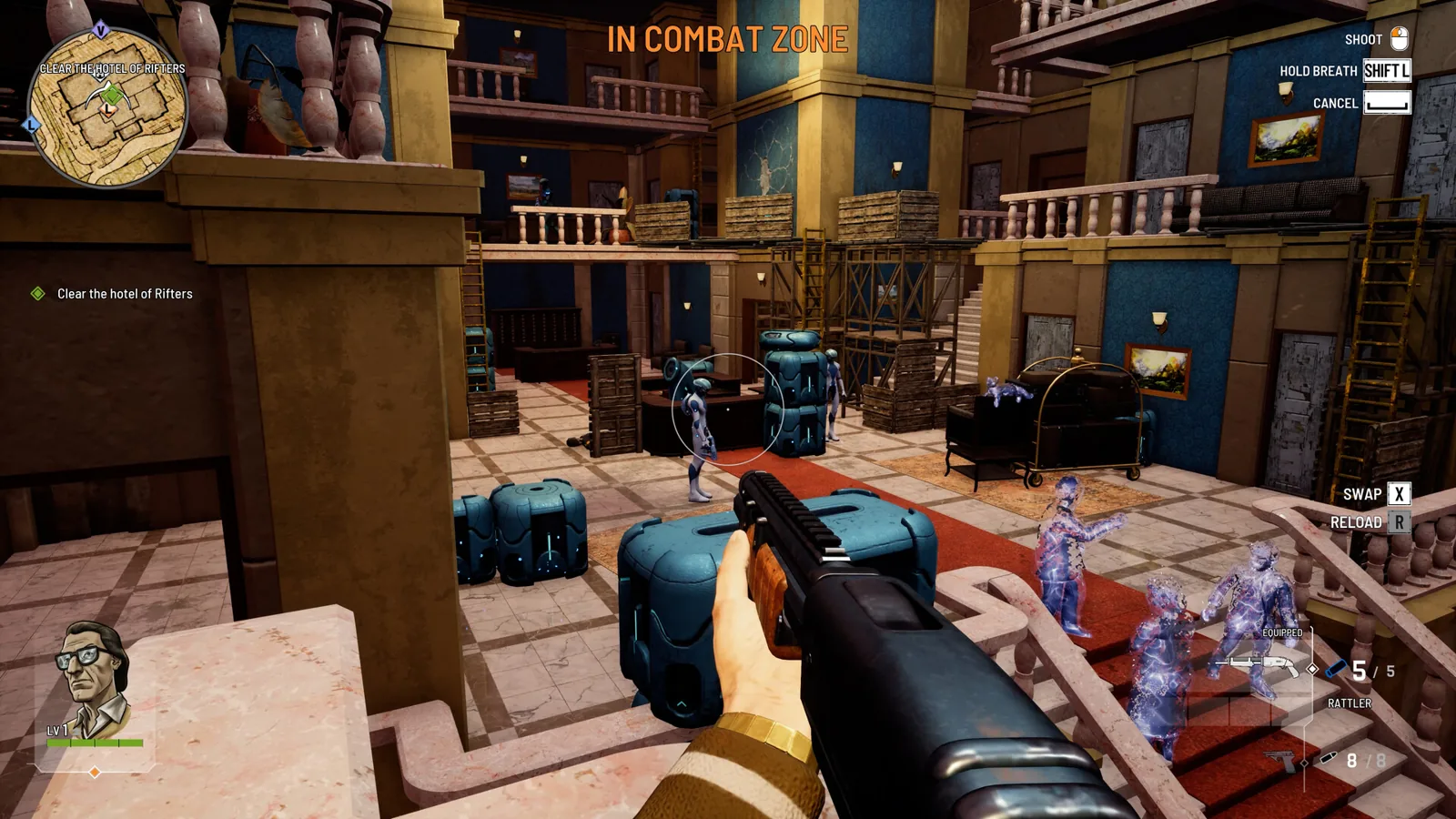
The Epic guide's core tip is to use first person as often as possible, both to line up headshots for extra damage and to scout angles and cover before a fight starts. For armor work that habit pays twice: you can see which plates are exposed on a target, and you can place the shot on a limb instead of the torso. The same guide warns that Rifters use their own Reflexes to bolt as bullets fly, which makes landing repeated precise shots harder — worth knowing when a plate is nearly off and the target starts moving.
The awkward part: stripping armor without killing
The player who started that Steam thread was stuck on exactly this — failing a late-game mission because they were trying to strip a key enemy's armor and accidentally killed them instead. The developer's answer covers part targeting and the damage preview but doesn't spell out a way to deal armor damage with zero risk to health, so treat the preview as your tool: if it reports HP damage on the shot you've lined up, that shot is not the armor-stripping shot you wanted. Adjust the aim point and re-check before firing.
Where armor matters most
The Steam page describes the Rifter leaders as hard to kill, heavily armored and dangerously armed, and the Epic guide notes that later levels send waves of heavily shielded enemies — so plate-by-plate stripping is mostly a boss and late-act problem rather than something every trash fight demands. Armor values are also something the developers tune: the 0.9 update notes on the Steam page list reduced Karg armor in Act 3 among the balance changes. If a specific armored enemy feels spongier or softer than a guide suggests, a balance pass is a likelier explanation than a change to how plates work.
One version note: the armor-targeting thread is from April 2026, before the 1.0 release on 2026-10-22, and the participants' build isn't identified. The plate layout is the developer's own description from that exchange; the 1.0 announcements focus on new guns, parts, mission types and rebalancing rather than on the targeting system itself.
Next steps
- Action points — stripping six plates takes several shots, and the Epic guide's advice about banking action points for concentrated attacks on stronger Rifters applies directly.
- Reflexes — enemies dodge as you fire, which is what makes a nearly-broken plate so annoying to finish.
FAQ
How do I break armor in Every Day We Fight?
Aim at one specific piece — head, chest, an arm or a leg — and destroy it; the pieces are separate and break off individually, as described in the developer's reply on the Steam forum.
Can I target armor specifically instead of just shooting the enemy?
Yes. That's the point of the plate system: you choose which part the shot lands on, and the damage preview tells you whether you're hitting armor or HP.
How do I know if I'm damaging armor or health?
Watch the damage preview before firing. The developer's reply names it as the way to tell the two apart, alongside seeing individual plates break off.
Why did the enemy die while I was trying to strip their armor?
The thread raises this exact frustration but the reply doesn't give a separate method for armor-only damage. Use the preview to confirm which pool the shot hits before you pull the trigger.
Related guides for this game
Combat Guides Index

Every Day We Fight Action Points: How the Turn Pool Works
Action Points pay for moving, shooting, reloading and Overwatch in Every Day We Fight, and leftovers can roll into the next turn.
Every Day We Fight Reflexes: How Reactions Work
Reflex actions in Every Day We Fight explained: scrambling out of gunfire, Kill Assist, Covering Fire, Dylan's punch, and the Overwatch trade-off.
Every Day We Fight Heat Meter: Risk, Loot and Control
Heat is Every Day We Fight's risk-reward dial: higher heat means harder fights and better drops, and Sabotage and Ambush missions let you raise or lower it.
Every Day We Fight Overwatch: Manual Reaction Shots
Overwatch in Every Day We Fight is a hands-on first-person shot you aim yourself. It costs action points and your Reflex, and locks you in place.
Modes Guides Index

Every Day We Fight Iron Man Mode: How It Works
What Iron Man mode does in Every Day We Fight, how to start a run, and how it differs from difficulty settings and Forever War mode.
Community Guides Index
Every Day We Fight Review Roundup: What Players Say
Player and press impressions of Every Day We Fight: a Mostly Positive Steam score, praised first-person tactics, and the complaints that keep it mixed.