
Every Day We Fight Overwatch: Manual Reaction Shots
Overwatch in Every Day We Fight is a hands-on first-person shot you aim yourself. It costs action points and your Reflex, and locks you in place.

Table of Contents
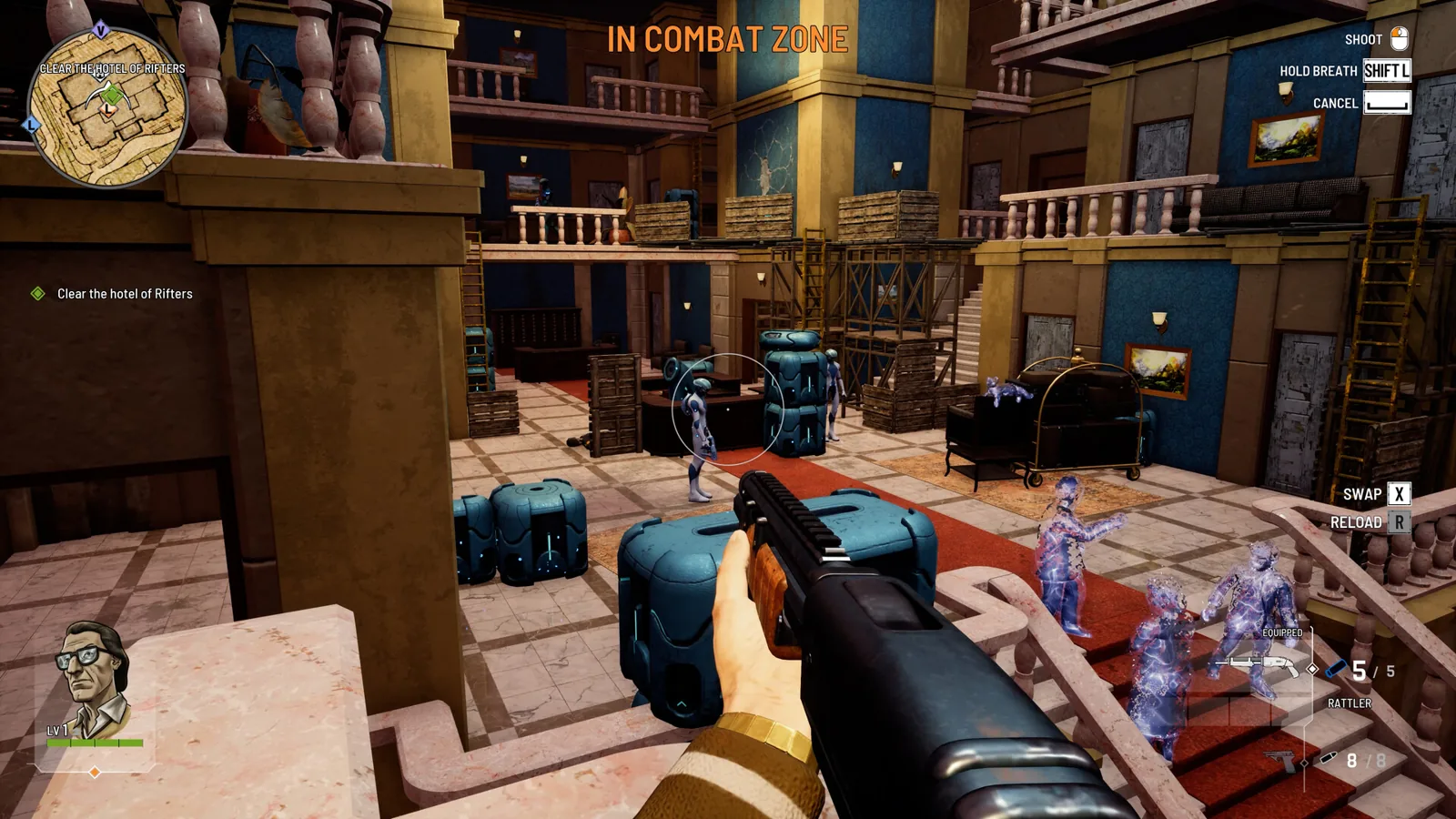
Overwatch in Every Day We Fight is not the hands-off, percentage-based trap you may know from XCOM. You set a cone of fire, and when a Rifter walks into it the camera drops behind the gun and you take the shot yourself, in real time, while the target keeps moving. Setting it up spends action points and your Reflex action for that turn, and it roots the soldier in place — a commitment, not a free extra turret.
What Overwatch actually does
The Epic Games Store guide to surviving the Rifters describes the basics: instead of spending action points to move or fire, you set a soldier to shoot as soon as an enemy comes into their line of sight. The difference from other tactics games is the trigger. Once the cone is tripped you take control in first person and have to line each shot up as the enemy moves across your view. Nothing is resolved behind the scenes for you.
Creators covering the 1.0 build describe the same thing from the player's side: you paint a cone on the ground, and when something walks into it you are pulled into first person, can track the moving target, and decide right there how many shots to spend. That last part matters — the trigger does not fire a fixed burst on its own, it hands you a live target and a budget.
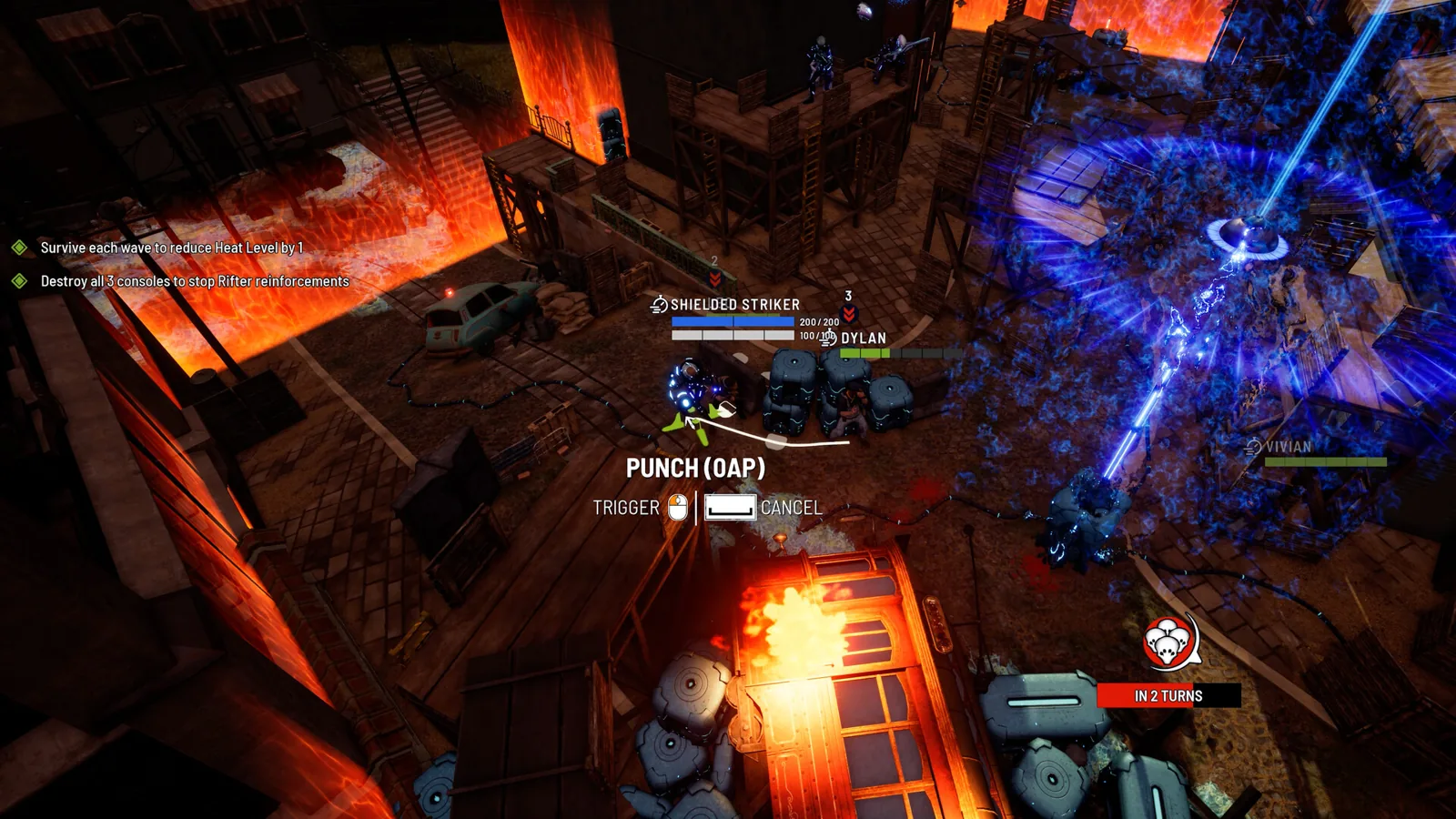
The cost: action points and your Reflex
Two costs stack on the same turn:
- Action points. The setup comes out of the same pool you use to move, shoot and reload.
- Your Reflex action. A Thorn sitting on Overwatch cannot use their Reflex that turn. The Epic guide warns that you lock the character in place, and the practical result is no scramble when a Rifter lines up a shot on them. Christopher Odd says it plainly in his 1.0 launch stream: if you use the Overwatch, you don't get your reactions.
So Overwatch trades defence for a pre-committed attack. The usual failure is parking the watcher somewhere exposed, getting one good burst, then eating the return fire with no escape left.
Making it pay
- Watch ground the enemy has to cross. A lane, a doorway, a climb-out point — anywhere a Rifter must commit to a path. Open ground gives them room to scramble out of the cone.
- Don't park the watcher too close. In the XCOM comparison video, Dylan sat on Overwatch with a flamethrower as a fresh wave poured in; he burned through a good number of them but took a beating because he had been placed too near the spawn. Overwatch rewards distance and a covered firing position.
- It is not an idle turret. The same creator's summary is worth keeping in mind: this is not a game where you park everybody on Overwatch and take your hands off the keyboard. Every trigger pulls you into aiming, so leave yourself the attention and the action points to actually shoot.
- Check your scope mods. In his 1.0 stream, Christopher Odd builds a scope he describes as increasing the Overwatch angle. That is his reading of the mod's tooltip in that build rather than a documented stat, but it is a reminder that attachments are worth reading before you commit to a firing lane.
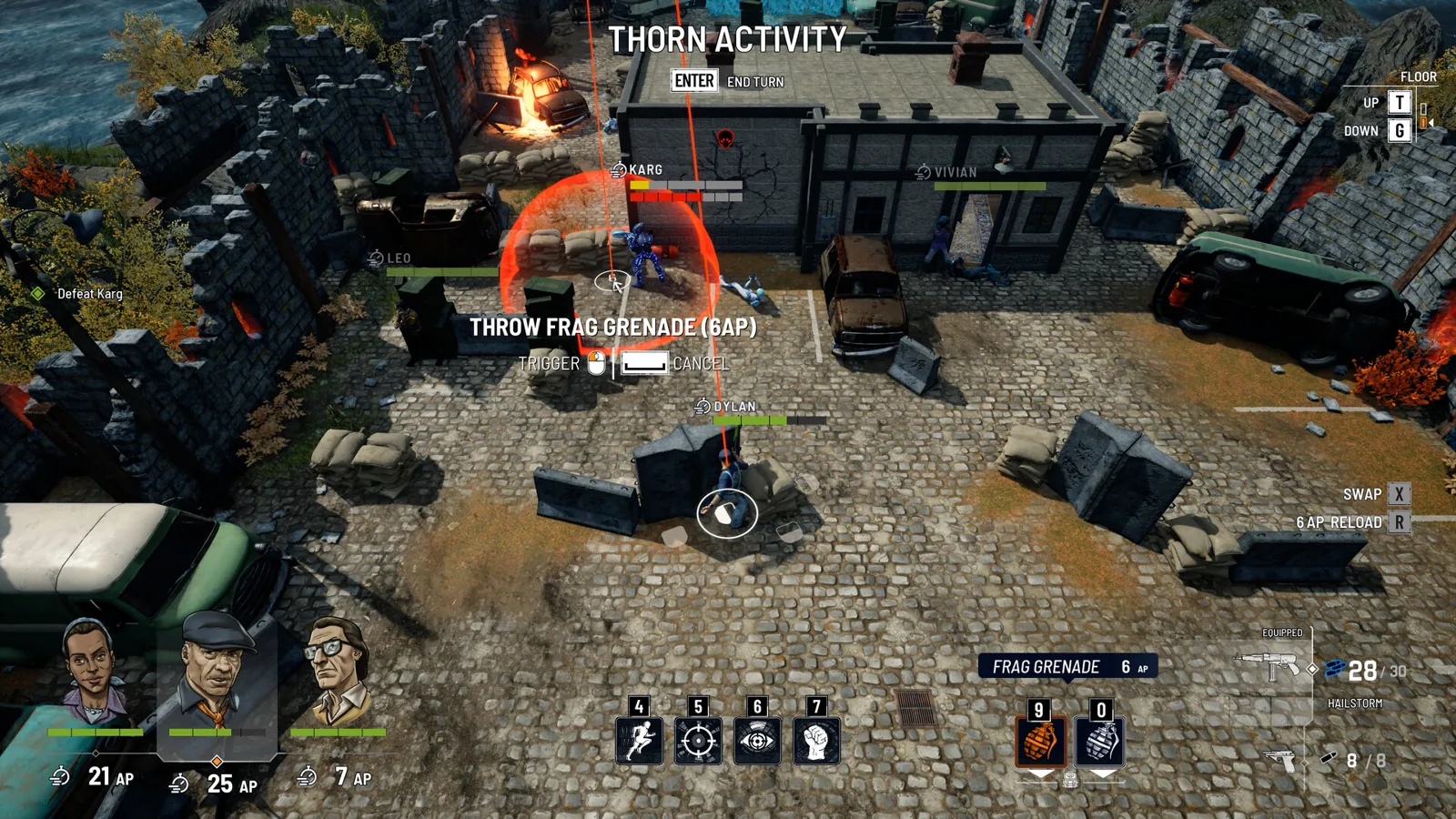
When the Rifters do it back
Enemy Overwatch is a real system, not just a player tool. The 1.0 patch notes on the Steam store page list fixes to Rifter Overwatch behaving incorrectly around Vivian's Switcheroo skill, and to a Rifter's Overwatch being interrupted when the cone was only briefly entered — which tells you the enemy version is also a cone you can step into and out of. Reflexes and Overwatch are separate systems as well: one 1.0 note about the Blinded status and Reflexes explicitly adds that it does not apply to Overwatch.
Practically, do not stroll through a Rifter's cone to save a few action points, and when your own scramble fires, remember whoever was watching that lane.
FAQ
Is Every Day We Fight overwatch automatic?
No. The cone triggers the opportunity, but you take control in first person and aim each shot as the target moves. A missed shot is your aim, not a hidden dice roll.
Does Overwatch use my Reflex action?
Yes. Setting it up consumes action points and your Reflex for that turn, so that Thorn cannot scramble away from incoming fire until the next round.
Can I still move a soldier who is on Overwatch?
No — the character is locked in place for the turn. That is why placement matters more than the cone itself: pick a spot you are happy to leave them standing in while the enemies shoot back.
Do Rifters use Overwatch too?
Yes. Rifter Overwatch cones appear in the 1.0 patch notes, including a fix for cones that were only briefly entered, so treat enemy cones as something to route around rather than walk through.
Related guides for this game
Combat Guides Index
Every Day We Fight Action Points: How the Turn Pool Works
Action Points pay for moving, shooting, reloading and Overwatch in Every Day We Fight, and leftovers can roll into the next turn.
Every Day We Fight Heat Meter: Risk, Loot and Control
Heat is Every Day We Fight's risk-reward dial: higher heat means harder fights and better drops, and Sabotage and Ambush missions let you raise or lower it.
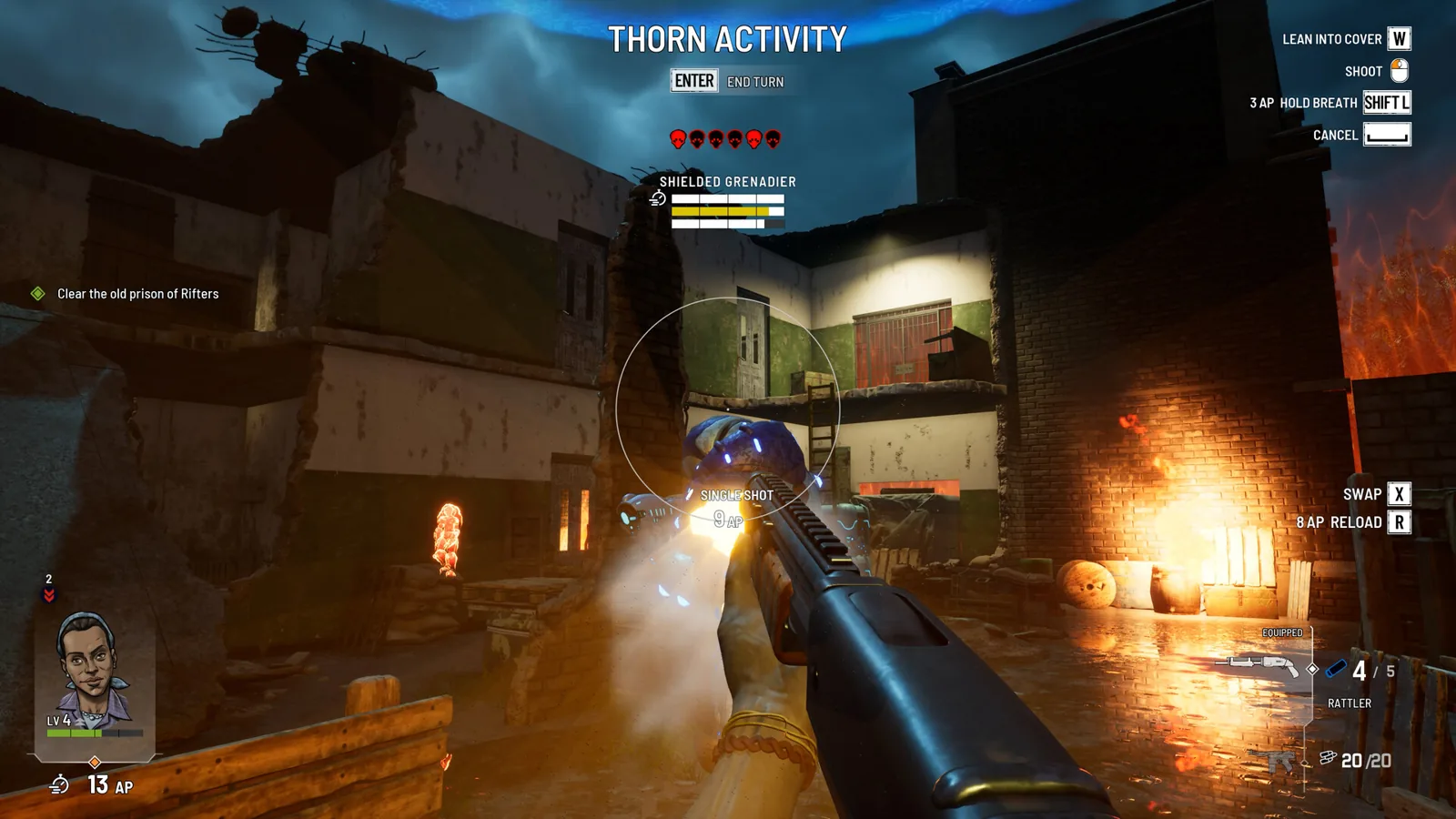
Every Day We Fight how to break armor plates
Armor in Every Day We Fight comes off plate by plate: aim at the head, chest, arms or legs, and read the damage preview to see armor versus HP.
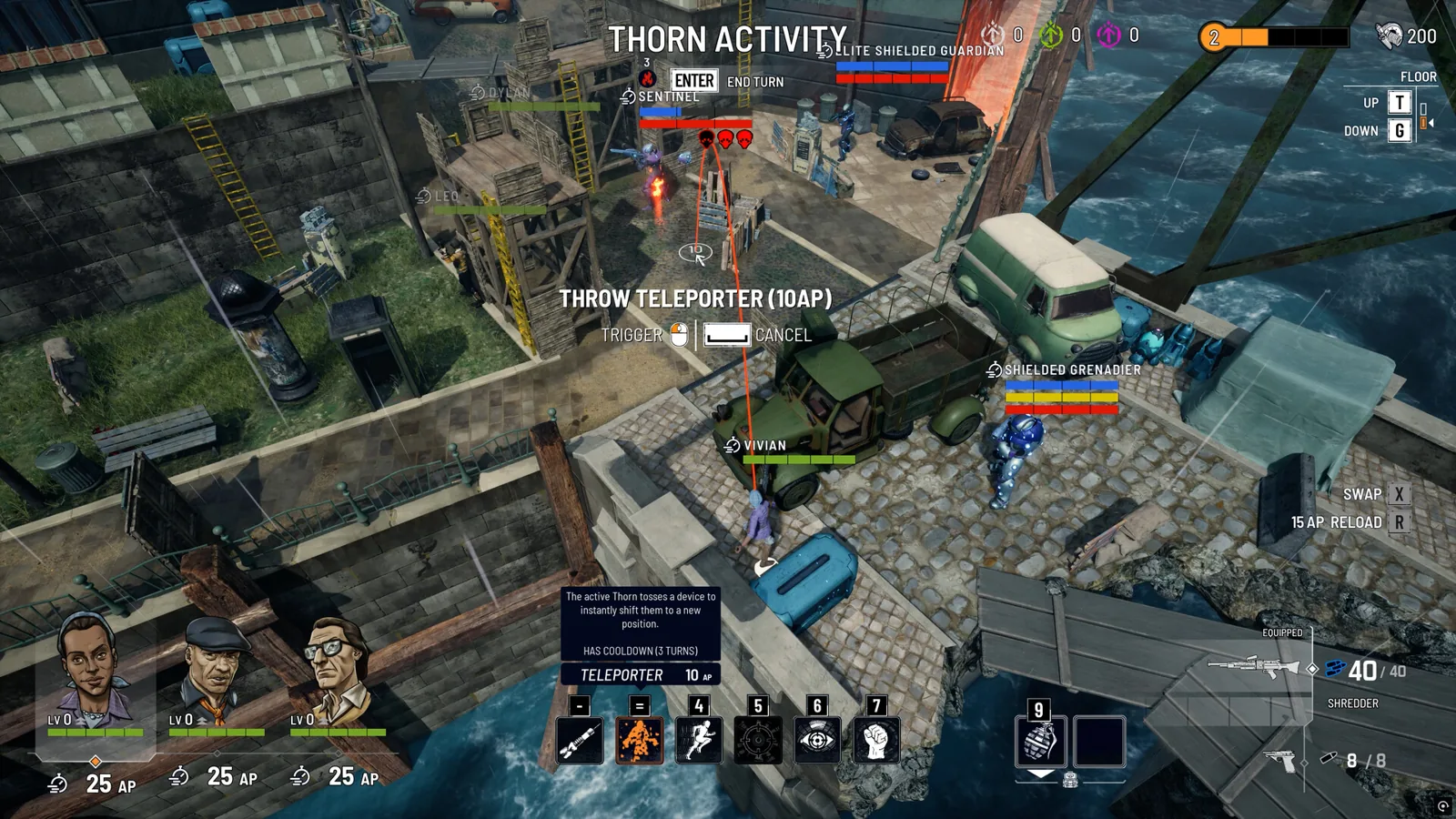
Every Day We Fight Reflexes: How Reactions Work
Reflex actions in Every Day We Fight explained: scrambling out of gunfire, Kill Assist, Covering Fire, Dylan's punch, and the Overwatch trade-off.
Community Guides Index
Every Day We Fight Review Roundup: What Players Say
Player and press impressions of Every Day We Fight: a Mostly Positive Steam score, praised first-person tactics, and the complaints that keep it mixed.
Guide Guides Index
Every Day We Fight Beginner Guide: Your First Loops
A newcomer's guide to Every Day We Fight: manual aiming, reflex actions, the fixed three-person squad, time-loop carryover and difficulty options.