
Every Day We Fight Beginner Guide: Your First Loops
A newcomer's guide to Every Day We Fight: manual aiming, reflex actions, the fixed three-person squad, time-loop carryover and difficulty options.
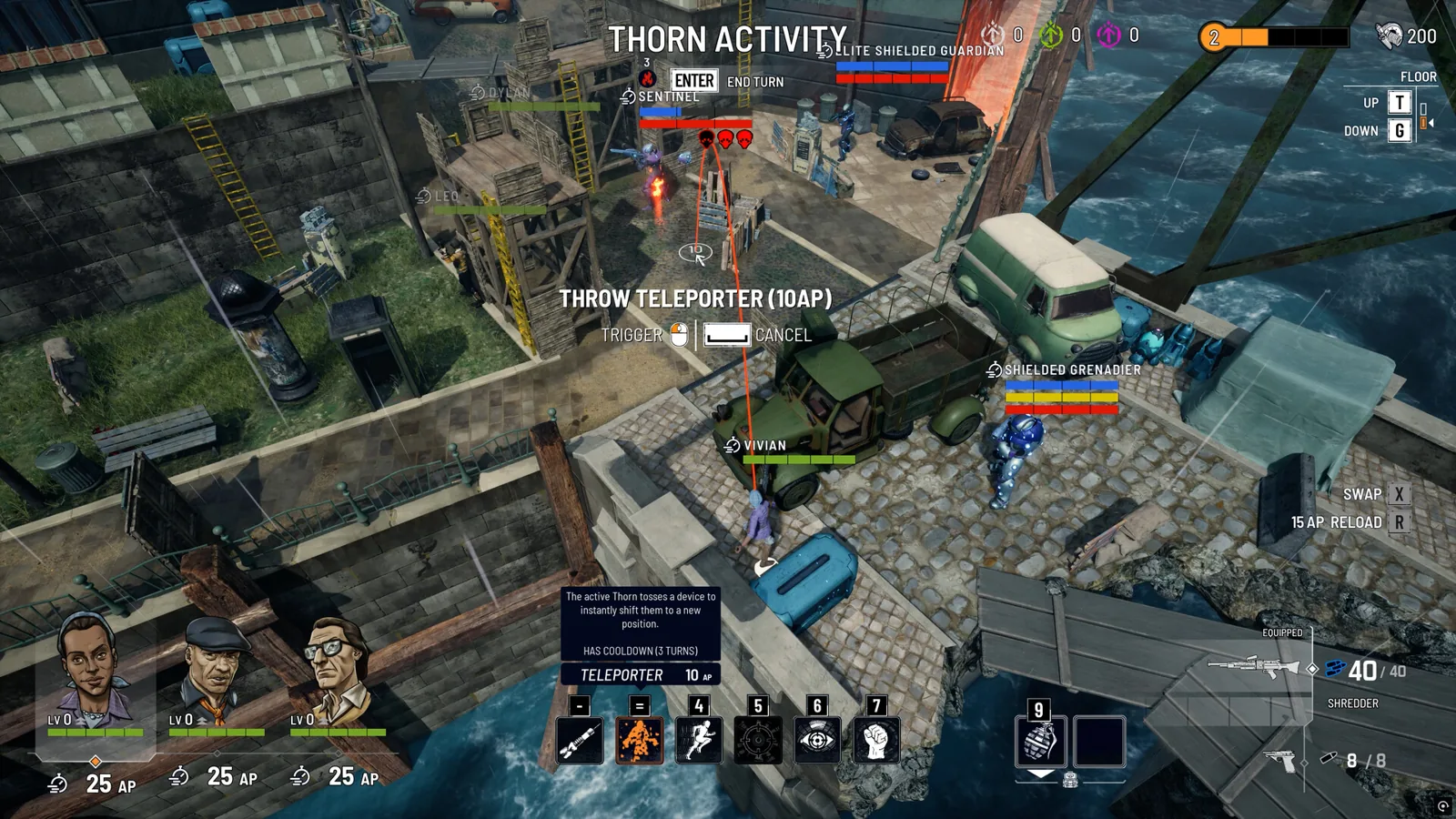
Table of Contents
The biggest adjustment in Every Day We Fight is that your hit chance is not a dice roll you can farm — it comes from where you stand, how steady your aim is, and how fast you react. You control three fixed characters, you aim every shot yourself in first person, and your squad can act during the enemy's turn. If you plan around those three facts instead of around an accuracy percentage, your first hours go much more smoothly.
What kind of tactics game this is
The Steam page describes the combat loop directly: turn-based tactics with real-time choices, where you "react to enemy fire, aim your shots, and interrupt enemies on-the-fly." Hit chances are determined entirely by positioning, your aim and your reaction time, with ballistics accounting for firing angles and obstructions. In practice that means cover, sight lines and elevation are doing the work a to-hit number usually does in squad tactics games.
You are not building a roster. Your squad is a trio of civilians — Vivian, Leo and Dylan — who grow into fighters across repeating days. One pre-release player overview on YouTube puts the trade-off plainly: you can improve their skills and gear, but there is no recruiting and no custom squad building, so team building is limited compared with a long XCOM campaign. The same overview notes the game is single-player, which matches the feature list on the Steam page.
What decides your first few fights
A few habits matter more than any single skill unlock:
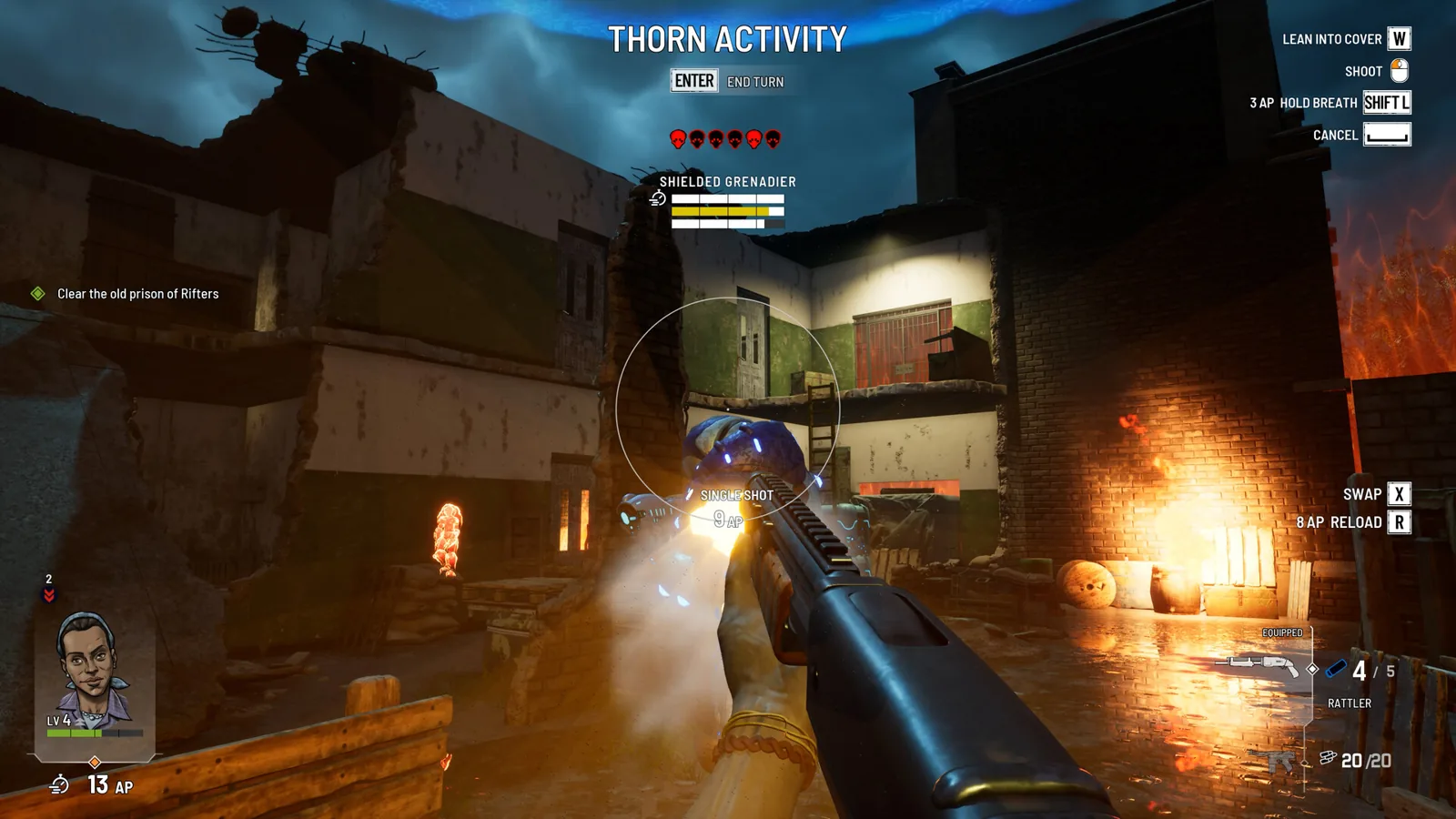
- Treat every shot as a skill check. The same player overview points out that you can make the correct tactical decision and still miss because you rushed the aim. Distance, recoil and moving targets all count, so a calm shot usually beats a fast one.
- Plan what happens after the shot. Reflex actions let your fighters intercept enemy movement, assist an allied kill, or scramble away from fire — and enemies have reactions of their own. The interesting question is often not "who do I shoot" but "who is exposed once I do."
- Respect the small squad. With three fighters, a bad position hurts immediately. Sneaking to a better angle, using height and multiple floors, and choosing cover deliberately is the core beginner skill.
- Match the weapon to the position. The same player overview notes that a shotgun rewards closing distance while a precision weapon pushes you to control range and sight lines, so a "good spot" changes with your loadout.
- Expect to miss your first attempts. A second player's early-access gameplay video on YouTube is candid that the game felt hard to him because he had not played this style of tactics game before, and he recommends finishing the tutorial before judging it.
The time loop: what carries over
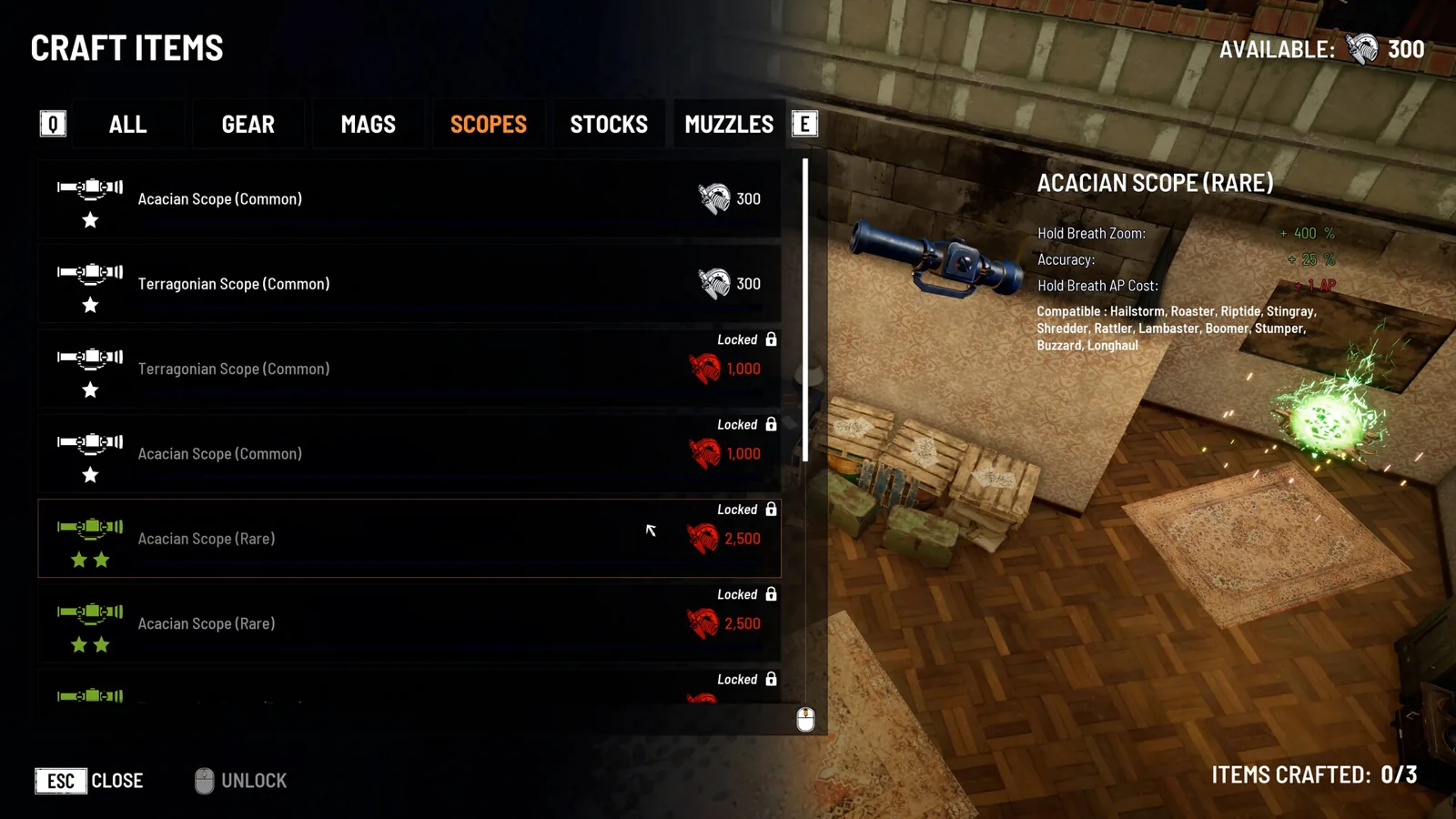
The loop is the progression system. The Steam page states that experience and skills remain across loops, and that anything you discover in one loop is available from the start of the next. The player overview adds the practical caveat: some immediate equipment and supplies still need to be rebuilt, and collecting scrap to replace consumables can feel like a chore when a basic med kit or grenade looks expensive next to what you are picking up.
If that supply run starts to wear on you, the 1.0 update was aimed at exactly that friction. The developer's release announcement on Steam (October 22, 2026) describes progression as reworked so rewards arrive after every fight, with exploration still available but no longer required to keep upgrading. The same notes also mention character level being clamped at a maximum of 24, which is a useful ceiling to know before you plan a build.
Difficulty, saving and Iron Man
Difficulty is meant to be adjustable, not a single wall. The Steam page advertises multiple difficulty modes plus customizable difficulty settings, and mentions Iron Man and Forever War modes for players who want the harsher version. Story Mode also appears in the developer's own patch notes.
On saving, the Steam page lists Save Anytime, and the 1.0 notes confirm in-combat and manual saves are in the game rather than pure checkpointing. The developer's 0.9 announcement is explicit that Iron Man is "the intended way to play" for the roguelite experience — death is not the end, but it resets some progress. For a first run, most newcomers will get more out of a normal save file while they learn the aiming and reflex systems, then switch to Iron Man once the loop clicks.
Controls and performance
Keyboard and mouse is the natural fit for movement plus precision aiming, and the player overview notes that while full controller support exists, some menu and action selection feels less natural on a gamepad. The Steam page marks the game Steam Deck Verified, but the same overview warns that verification is not a promise of steady frame rate on handheld hardware.
If you hit stutter — which several players report on the Steam community hub, including one with a high-end machine — the conditional first step is to drop graphics settings and see whether it settles, since another reviewer there says weaker hardware will likely need lowered settings. That is a sensible general troubleshooting move, not a documented fix, and aiming-heavy combat makes frame hitches more noticeable than they would be in a menu-driven tactics game.
If you want a written beginner reference
The Steam community hub hosts a guide titled "Every Day We Fight Beginner's Guide," posted by Antony (Hooded Horse), described as covering the very basics of the game — user interface through mechanics and early gameplay tips — written at early access release. It is a useful companion to the in-game tutorial, though its early-access framing means some specifics will not match the 1.0 build.
FAQ
Do I need XCOM experience to enjoy Every Day We Fight?
Not required, but it helps. A player who had not played this style of tactics game found it harder going and recommended completing the tutorial before deciding, while noting that the difficulty options let you tune the challenge.
What carries over between time loops in Every Day We Fight?
Experience and skills persist, and discoveries from one loop are available from the start of the next, per the Steam page. Some gear and consumables still need to be rebuilt, which is where scrap collection comes in.
Should a beginner start on Iron Man mode?
The developer calls Iron Man the intended way to play for the roguelite feel, but death resets some progress. Manual and in-combat saves exist, so a normal save file is the gentler way to learn the aiming and reflex systems first.
Where can I find a beginner guide for Every Day We Fight?
The Steam community hub carries a beginner's guide covering the interface, mechanics and early tips, alongside player videos that walk through the first missions and combat system.
Related guides for this game
Guide Guides Index
Every Day We Fight Fast Travel in the 1.0 Update
Fast travel is a quality-of-life feature in Every Day We Fight, added during Early Access and included in 1.0. Here's what the notes say.
Every Day We Fight Side Quests: The Three Thorn Stories
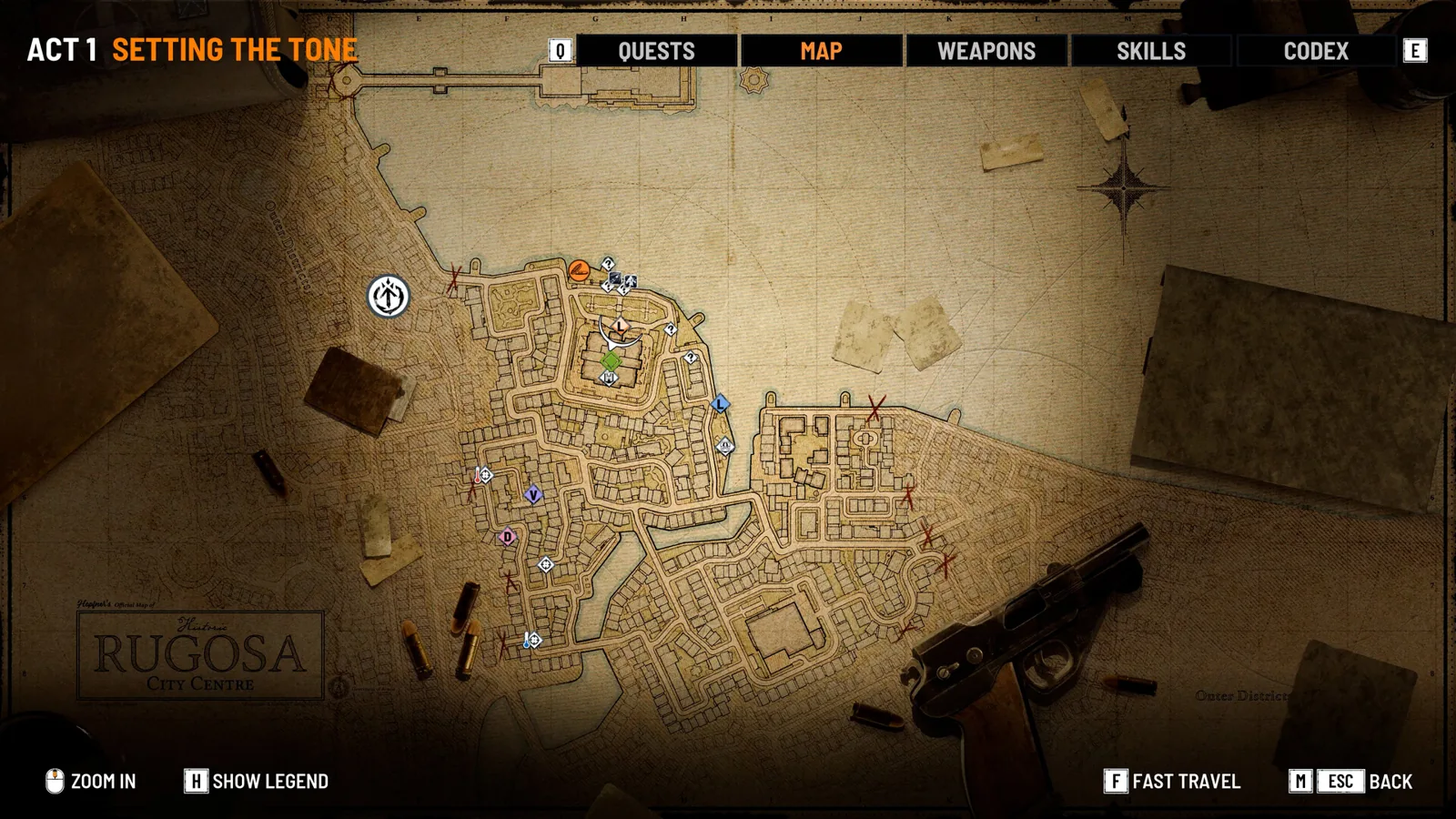
Each of the three Thorns has one side quest unlocked at the start of Act 2, playable any time and separate from the main story.
Every Day We Fight Time Loop Progression Explained
What carries over each time the loop resets in Every Day We Fight, what moves the loop forward, and how 1.0 changed progression.
Every Day We Fight Walkthrough: Opening and Combat
A practical Every Day We Fight walkthrough: the opening fights, aiming, cover, Overwatch, and what actually carries over between time loops.
Missions Guides Index
Every Day We Fight Harvester Guide: Power Cores
How harvester missions work in Every Day We Fight, what the power cores imply for your approach, and the combat habits that see your squad through.
Combat Guides Index

Every Day We Fight Action Points: How the Turn Pool Works
Action Points pay for moving, shooting, reloading and Overwatch in Every Day We Fight, and leftovers can roll into the next turn.