
Every Day We Fight Action Points: How the Turn Pool Works
Action Points pay for moving, shooting, reloading and Overwatch in Every Day We Fight, and leftovers can roll into the next turn.
Table of Contents
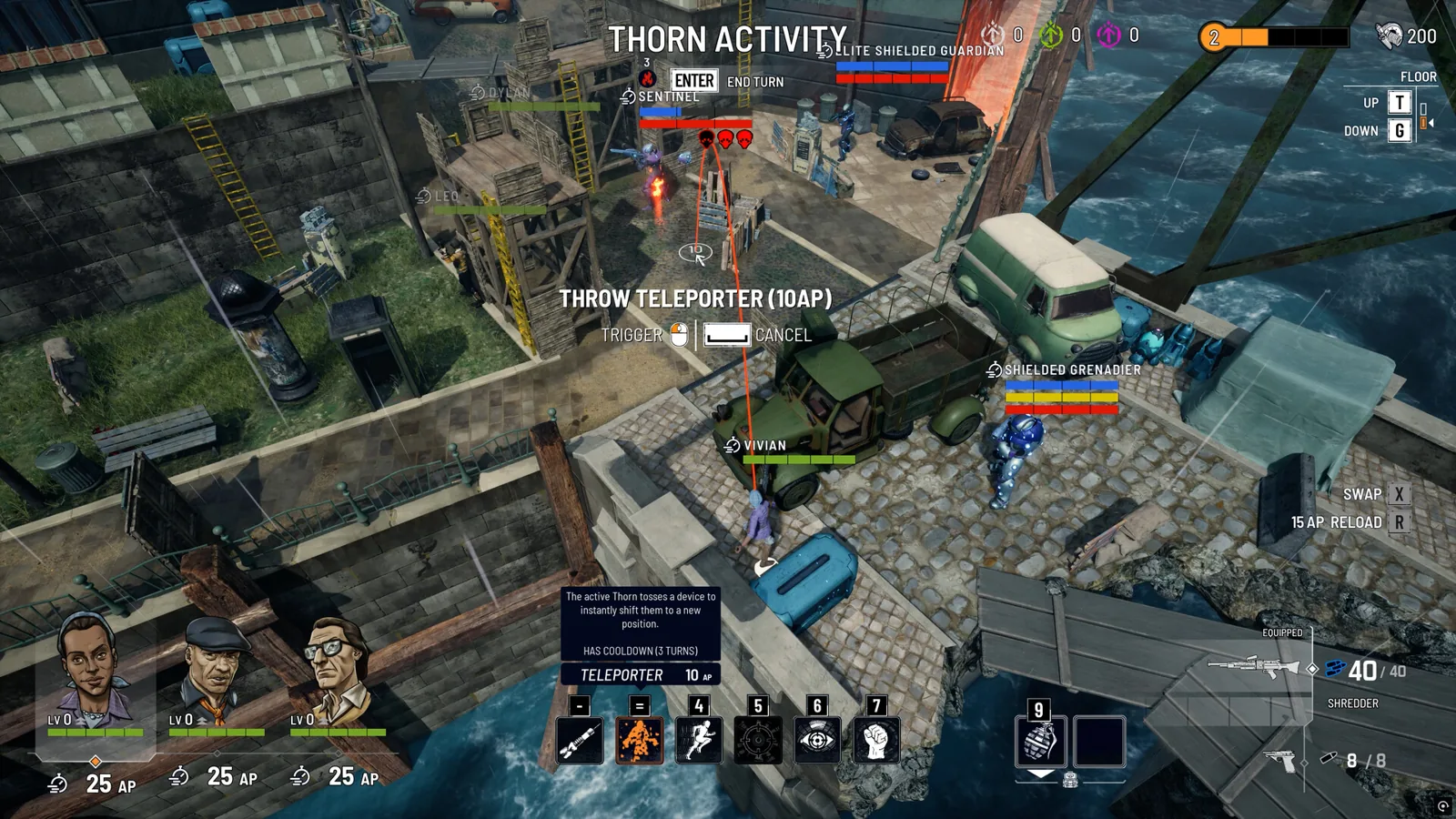
Action Points are the per-character budget you spend during your turn in Every Day We Fight. Each Thorn gets a limited pool on their turn, and moving, shooting, reloading, throwing a grenade and setting up Overwatch all draw from it. You don't have to spend the whole pool: some points can be carried into the next turn, which is what turns "use everything" into an actual decision.
What the pool pays for
The Epic Games Store guide to surviving the Rifters describes Action Points as the resource for moving, attacking, setting up Overwatch and carrying out other combat actions, with each character getting a limited amount per turn. Players who have recorded full runs add the smaller line items: reloading, throwing grenades and steadying a shot all come out of the same pool, and different weapons carry different Action Point costs, so a heavy gun is not a free swap for a pistol.
One thing that does not come out of the pool, according to the player behind the XCOM, But You Aim Every Shot video: the opening shot of an ambush. If you position your squad in stealth before a fight begins and aren't spotted, that first shot is yours and doesn't count against your Action Points. Everything after that is normal turn spending.
Carrying points into the next turn
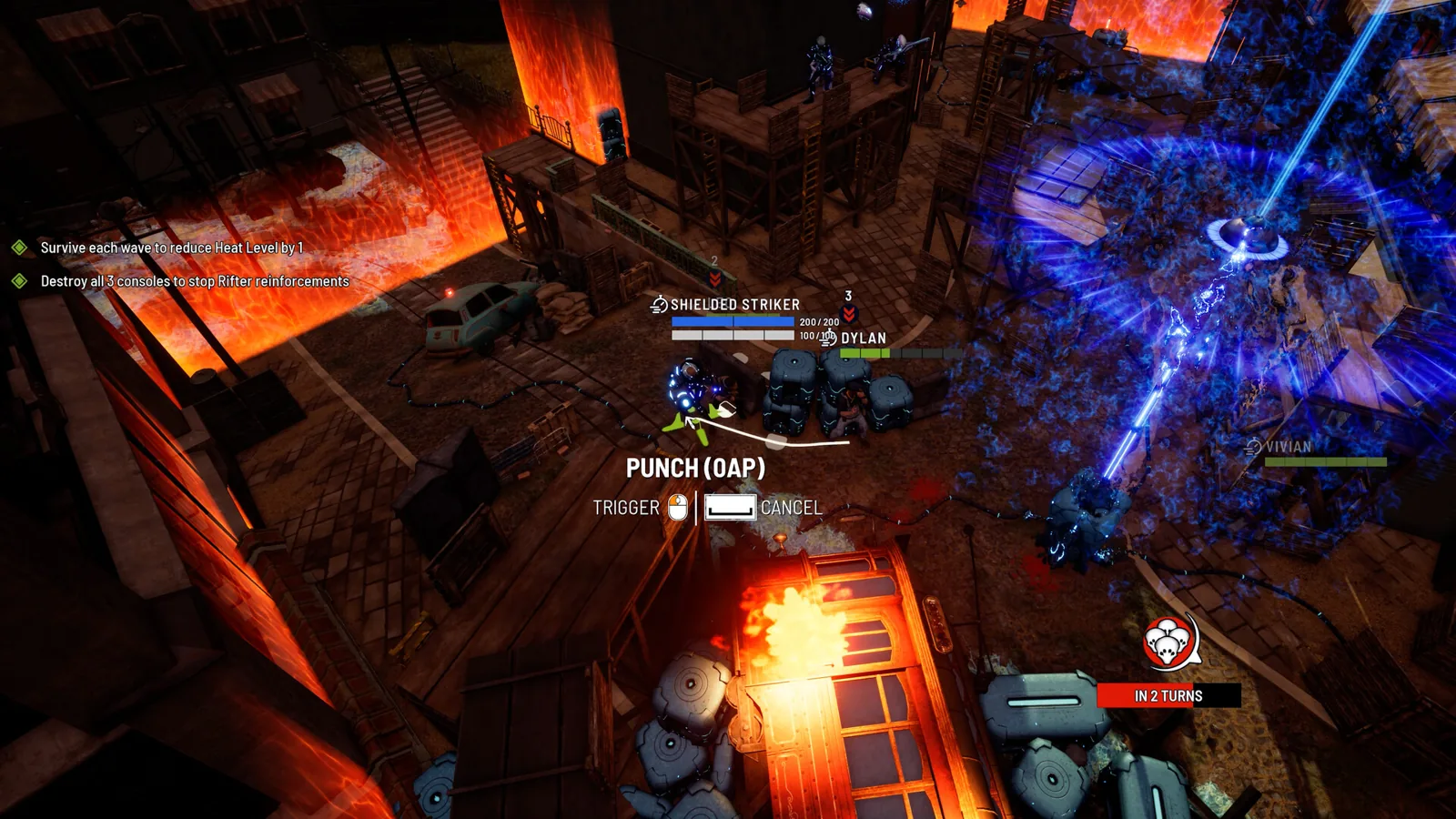
Only some leftover points survive into your next turn, so banking them is a partial safety net rather than a savings account. The Epic guide frames this as a defensive play: ending a turn with points in hand lets an enemy walk into a trap and eat the reaction instead of you spending the turn chasing them. That same guide warns that the economy gets tighter later, when waves of heavily shielded Rifters show up, and suggests spending points early to concentrate fire on the tougher enemies rather than dribbling damage across the wave.
A practical way to read your own turns: if you routinely finish with nothing left and get caught out of position, try reserving enough for one reposition or one reload before you end the turn. That's a habit worth testing rather than a rule the game states.
Overwatch is the expensive habit
Overwatch is the clearest example of Action Points being a trade, not a checklist. It costs points to set up, and it also consumes your character's Reflex action for that turn — so a Thorn sitting on Overwatch cannot scramble out of the way when something shoots back. The Epic guide calls this out directly, and the same trade-off shows up in 1.0 playthrough footage, where a character parked on Overwatch with a flamethrower burned through a wave and then took a beating for standing too close.
The other wrinkle is that Overwatch here is not automatic. When an enemy walks into the cone you've painted, you're pulled into first person and line up the shot yourself, deciding in the moment how many shots to spend. So the points you commit buy an opportunity, not a guaranteed hit.
How big is the pool?
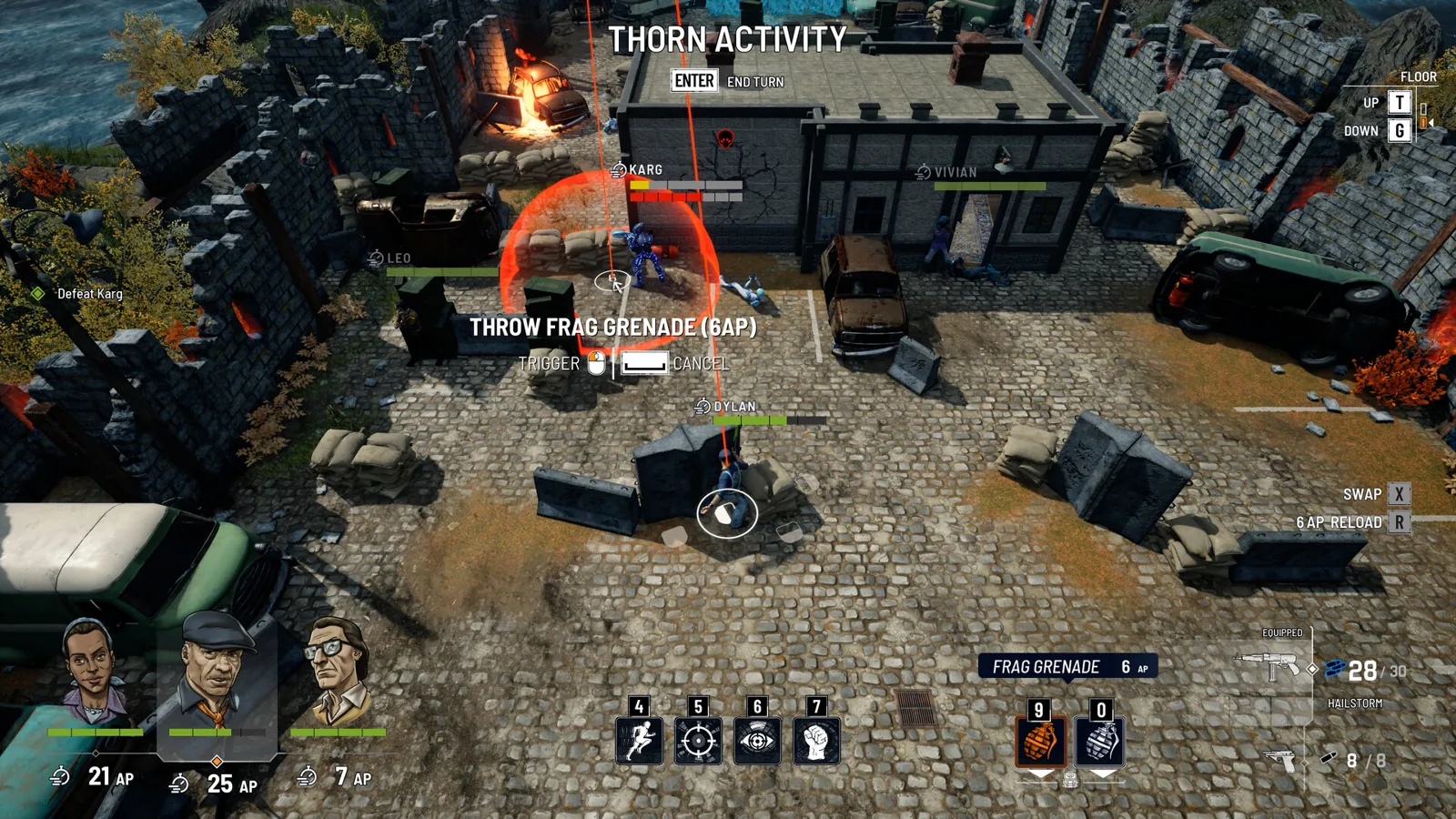
There is no official per-turn Action Point number on the Steam store page. The most specific figure available comes from a player's 1.0 playthrough video, which describes each Thorn as getting a pool of "something like 20 action points per turn minimum" — an estimate from play, not a confirmed stat. Treat it as a rough sense of scale: large enough that a turn is several actions rather than two, small enough that a long move plus a reload plus sustained fire can leave you short.
That video also describes holding your breath to steady a gun as adding a few Action Points to the shot, which fits the general pattern of aiming options costing pool. The exact per-action prices aren't published anywhere in the material available, so budget by watching your own bar rather than by memorizing numbers.
Version note
The Epic guide was written while the game was in Early Access. Every Day We Fight left Early Access with its 1.0 release on 2026-10-22, per the Steam page's announcement, and the 1.0 playthrough footage still describes the same core loop: a per-character pool, partial carry-over, and Overwatch costing both points and a Reflex action. Smaller balance details may have shifted between builds.
FAQ
What are Action Points used for in Every Day We Fight?
Moving, attacking, setting up Overwatch, reloading, throwing grenades and other combat actions. Each character has a limited pool per turn.
Do Action Points carry over between turns in Every Day We Fight?
Some do. Leftover points can be carried into the next turn, which is why ending a turn with points in hand is a legitimate defensive setup rather than wasted resources.
How many action points do you get per turn in Every Day We Fight?
There's no official published figure. A player's 1.0 playthrough describes roughly 20 per Thorn per turn as a minimum, but that's an estimate and weapon or action costs vary.
Does Overwatch cost Action Points?
Yes. Setting Overwatch spends Action Points and also uses up that character's Reflex action for the turn, so they can't scramble away from incoming fire.
Related guides for this game
Combat Guides Index
Every Day We Fight how to break armor plates
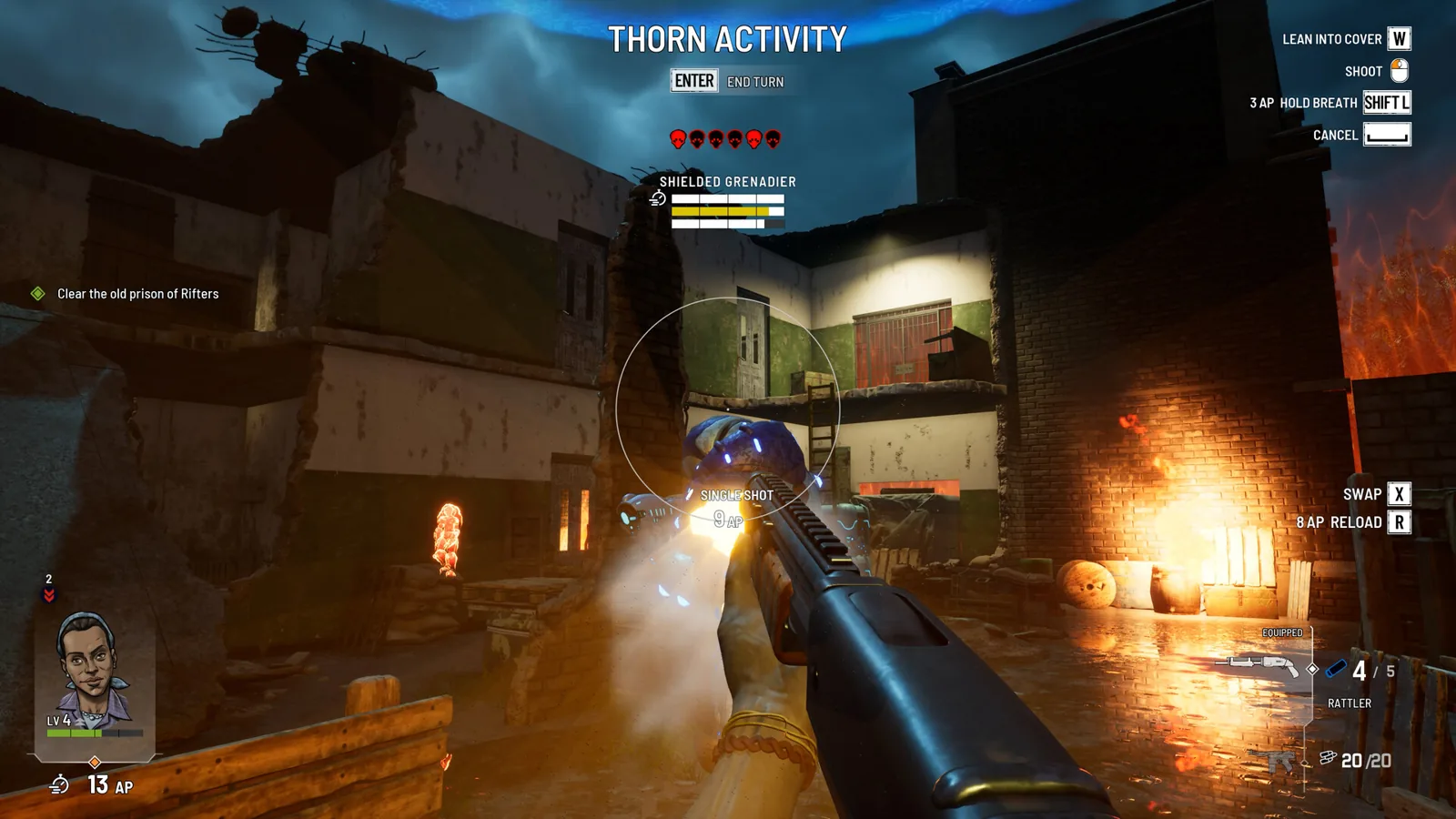
Armor in Every Day We Fight comes off plate by plate: aim at the head, chest, arms or legs, and read the damage preview to see armor versus HP.
Every Day We Fight Reflexes: How Reactions Work
Reflex actions in Every Day We Fight explained: scrambling out of gunfire, Kill Assist, Covering Fire, Dylan's punch, and the Overwatch trade-off.
Every Day We Fight Heat Meter: Risk, Loot and Control
Heat is Every Day We Fight's risk-reward dial: higher heat means harder fights and better drops, and Sabotage and Ambush missions let you raise or lower it.
Every Day We Fight Overwatch: Manual Reaction Shots
Overwatch in Every Day We Fight is a hands-on first-person shot you aim yourself. It costs action points and your Reflex, and locks you in place.
Modes Guides Index
Every Day We Fight Iron Man Mode: How It Works
What Iron Man mode does in Every Day We Fight, how to start a run, and how it differs from difficulty settings and Forever War mode.
Guide Guides Index
Every Day We Fight Fast Travel in the 1.0 Update
Fast travel is a quality-of-life feature in Every Day We Fight, added during Early Access and included in 1.0. Here's what the notes say.